
We make your message visible
Our modern LED walls help highlight your brand, whether for business, events, or outdoor advertising. Every project is handled with expertise and precision.

LED wall that works – always
We offer durable, energy‑efficient, and maintainable solutions you can rely on for years. For us, quality is not a compromise but a core value.
Every project is unique
We help you choose the best LED solution for your goals. We adapt flexibly and support you from planning to installation.
LED displays by category
FUEL PRICE DISPLAY
DYNAMIC LED DISPLAY FOR SPORTS FIELDS
SCOREBOARDS
LED SCROLLING DISPLAYS
TEMPERATURE AND TIME DISPLAY
LEDWALLS
PHARMACY LED CROSS
LED COUNTOWN CLOCK
UNIVERSAL INDUSTRIAL TEXT DISPLAYS
24/7 phone hotline!
Why are our LED walls one of a kind?
Our mission is to elevate the Hungarian advertising market to European standards.
The greatest advantages of our displays:
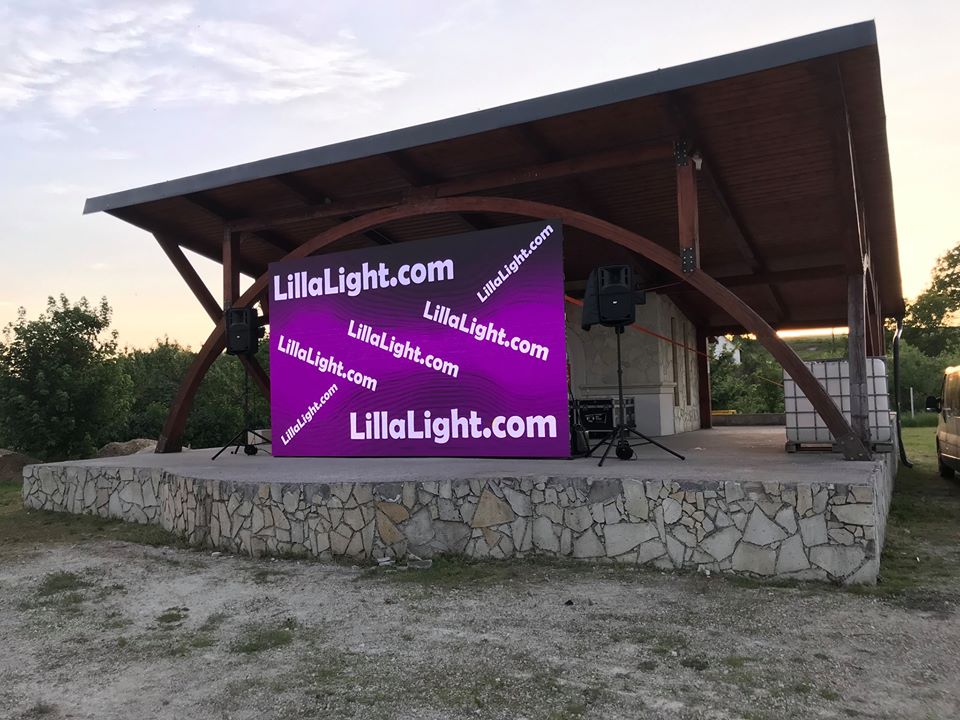
Designed for outdoor use
Low energy consumption
Lightweight construction
Visible from a 110‑degree viewing angle
Brightness stronger than sunlight, perfectly visible even in daylight
Equipped with an automatic light sensor
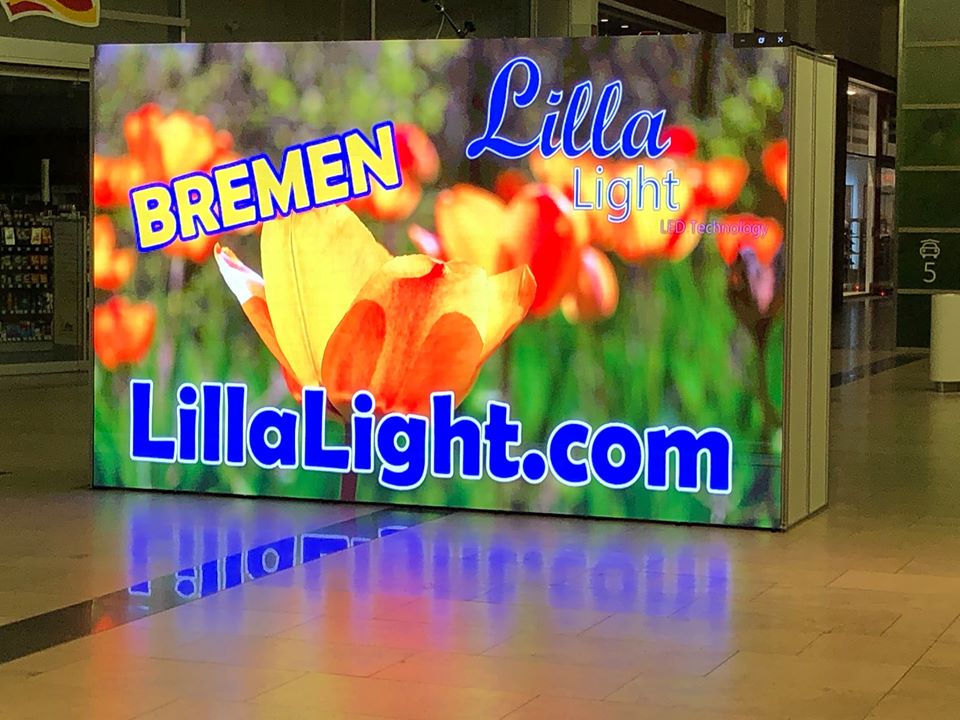
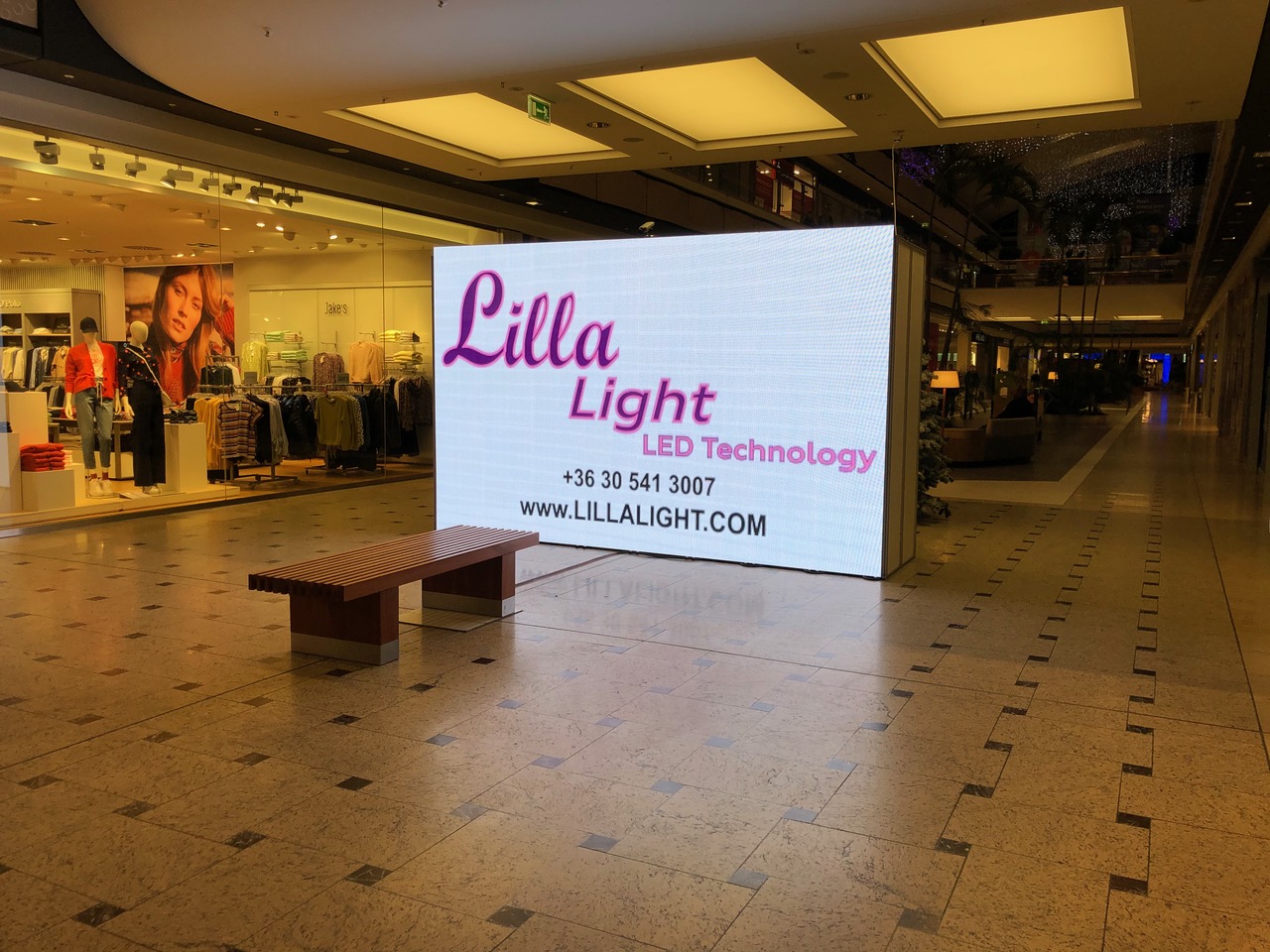
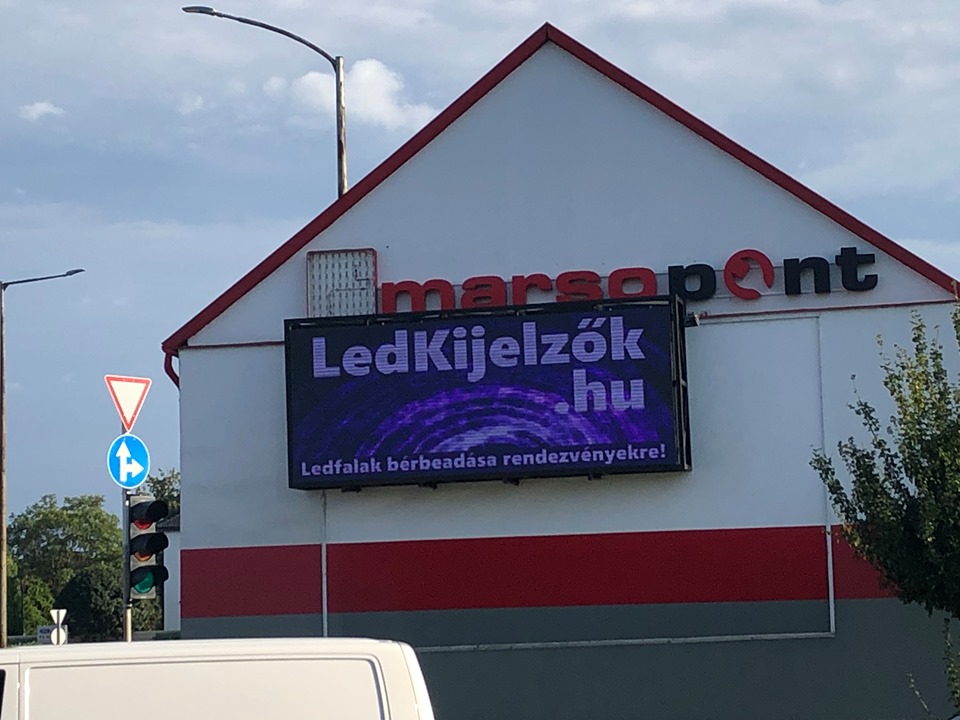
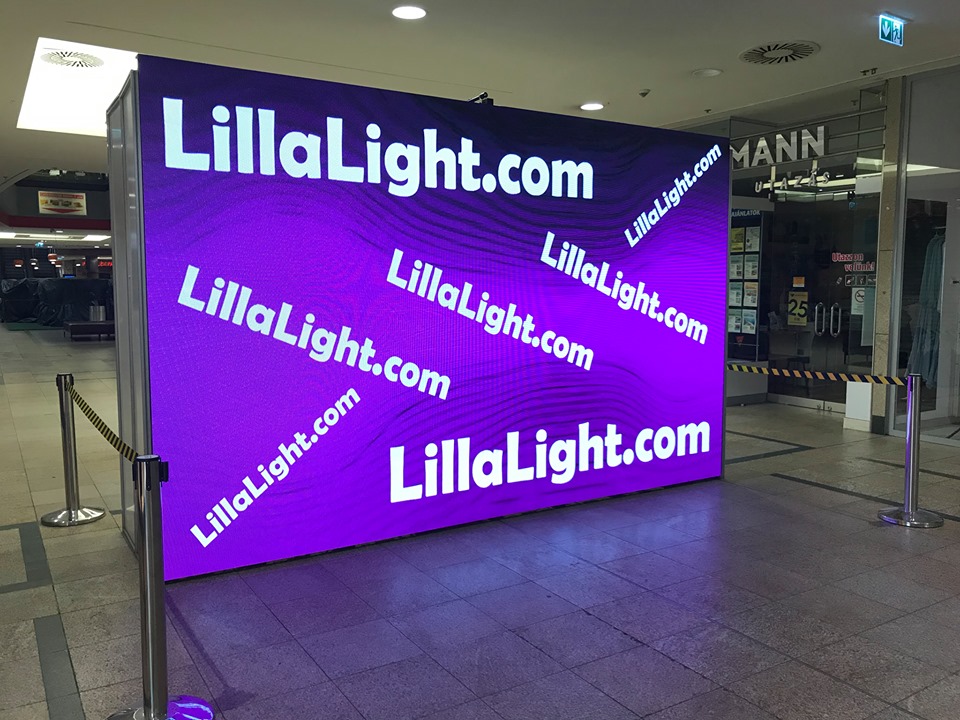
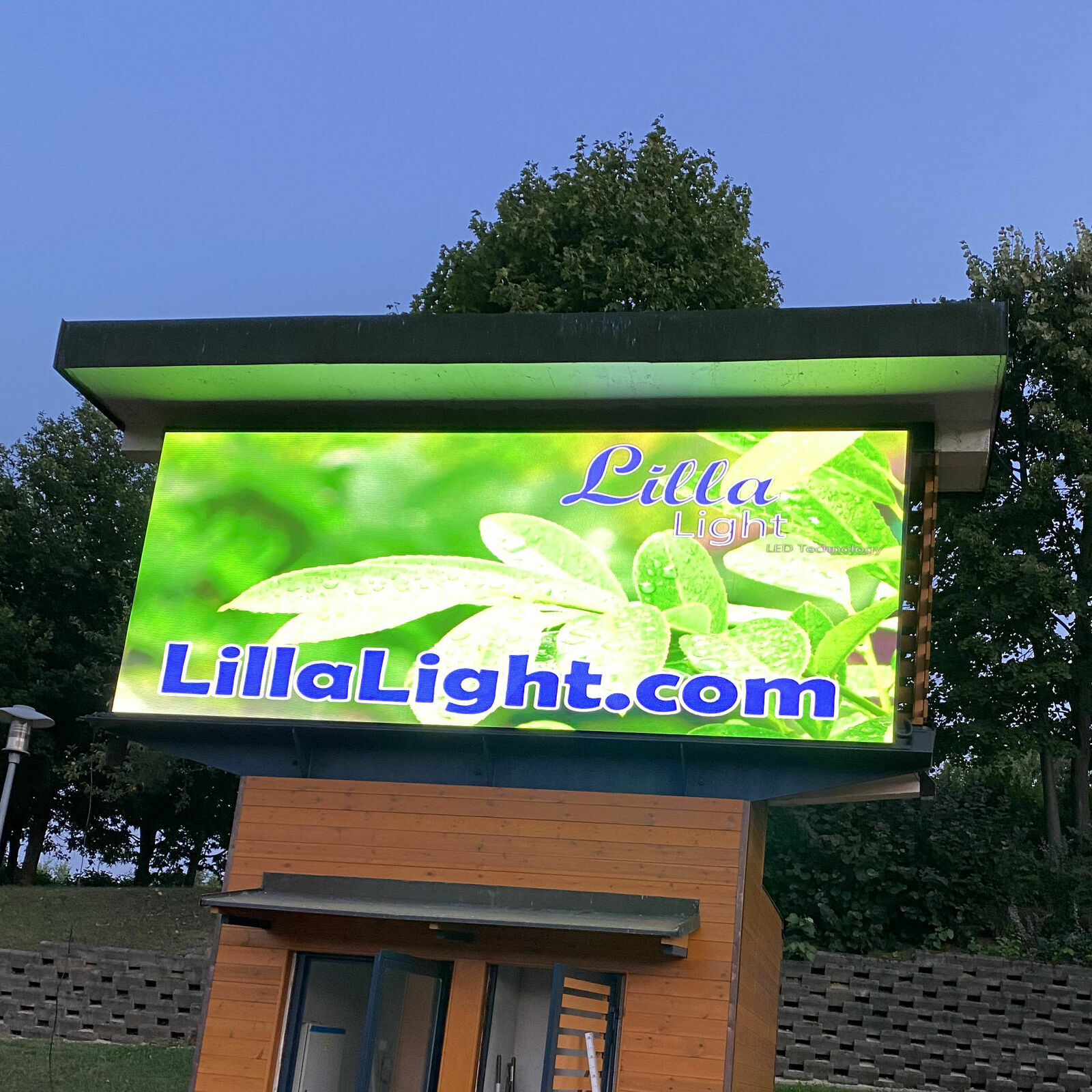
Our products on site



FAQ
What is a LED wall?
A LED wall is a large-scale, modular display system composed of light-emitting diodes (LEDs). Thanks to its excellent brightness and contrast, it remains clearly visible in both daylight and dark environments. It is suitable for both indoor and outdoor use, and it is flexible in terms of size and shape.
What types of LED walls are there?
The most common are SMD LED walls, where LEDs of the three primary colors form a single pixel, providing good resolution and a wide viewing angle. COB LED walls are more durable, dust-resistant, and impact-resistant, which is why they are used in premium indoor and outdoor systems. MicroLED walls feature extremely fine pixel pitch and high brightness, primarily used for high-resolution installations.
What is pixel pitch?
Pixel pitch refers to the distance between individual LED pixels in millimeters. The lower this value, the more detailed and sharper the image is, especially when viewed from up close.
For example:
Lower pixel pitch (e.g., P2–P3): Indoor use, short viewing distance.
Higher pixel pitch (e.g., P6–P10): Outdoor use, viewed from a distance.
What are LED walls used for?
LED walls are extremely versatile and are used in areas including:
- Events, concerts, and festivals
- Advertising surfaces and digital signage
- Retail stores and shopping malls
- Sporting events and stadiums
- Corporate presentations and conferences
What is their lifespan?
The lifespan of LED walls is generally between 50,000 and 100,000 operating hours. This depends on the intensity of use, environmental factors, and the regularity of maintenance. With proper usage, they provide a reliable, long-term solution.
What is the installation process?
Installing an LED wall consists of several steps:
- Requirement assessment and planning
- On-site survey
- Design and construction of the support structure
- Assembly of modules
- Cabling and system integration
- Testing and commissioning
Installation is always performed by professionals to ensure safety and proper functionality.
Service and maintenance
LED walls require regular maintenance to ensure optimal operation. This includes:
- Inspection and cleaning of modules
- Replacement of faulty components
- Software updates
- Performance optimization
With professional service support, any potential malfunctions can be repaired quickly and efficiently.
What brightness is needed for an LED wall?
The brightness of an LED wall determines how well it is visible in different environments. Indoors, 600–1,200 nits is typically sufficient, while 1,500–3,000 nits is required for shop windows due to reflections. For outdoor LED walls, 4,000–10,000 nits is recommended so that content remains clearly readable even in bright sunlight. Choosing the right brightness always depends on ambient light conditions and the purpose of use.

